
Die Dauer von Trauer: Wann wird es besser?
Wann können Hinterbliebene nach Trauer wieder glücklich werden? Wie lange dauert Trauer?
- 30 Tage bis 6 Wochen dauert akute Trauer, legen Riten und Weltreligionen nahe.
- Nach 6 Monaten wird anhaltende Trauer zur Anpassungsstörung, suggeriert ICD-10.
- Trauer endet nicht, sagen manche Trauernde. Und sehen dabei gar nicht traurig aus.
- Meine Antwort: Wann Trauer vorbei ist, ist nicht die richtige Frage. Besser ist: Wann wird sie leichter zu tragen?
In Begleitungen bekomme ich, ehrlich gesagt, recht oft eine Frage wie „Geht das vorbei?“. Manchmal von den engsten Hinterbliebenen, manchmal von Angehörigen einen Kreis weiter weg.
(Ich möchte an dieser Stelle NICHT darauf eingehen, warum wir eigentlich nicht mit einem normalen Zustand wie Trauer, oder anderen Phasen von „nicht gut“ umgehen können. Das verdient einen eigenen Blogbeitrag, irgendwann. Bis dahin zitiere ich hier einfach mal Megan Devine: It’s okay that you’re not okay!)
Trauer ist sehr individuell, und doch gibt es ein paar Zeiträume, nach denen sich bei einigen Trauernden etwas verändert. Und dass es manchmal sogar etwas leichter wird.
Wohlgemerkt: bei Einigen. Und: verändert. Das heißt nicht, dass jetzt „alles wieder gut“ oder die Trauer vorbei ist.
Antworten auf die Frage über Trauer: Wann wird es besser?
Schleusenzeit nach Smeding bis zur Bestattung
Viele Trauernde berichten mit der Bestattung im Rücken von einer Veränderung. Ruthmarijke Smeding nennt den Zeitraum zwischen Tod und Bestattung Schleusenzeit. Das alte Leben ist unwiederbringlich vergangen, und das neue kann noch nicht recht beginnen. Das wird erst nach der Bestattung möglich.
40-tägige Trauer-Zeit und Sechs-Wochenamt
Dann beginnt eine Phase, in der Trauernde in diesem ungewollt Neuen ankommen müssen. Ja, müssen, denn es ist eine erzwungene Anpassung.
Für viele Trauernde sind das die ersten Wochen und Monate nach dem Verlust.
Diesen Zeitraum finden wir kulturell bzw. in vielen Riten bestätigt:
Aus der katholischen Kirche kennen wir das Sechs-Wochen-Amt, eine spezielle Messe nach 6 Wochen, die der Läuterung der Seele gilt. Für trauernde Familien war das ein wichtiger Tag, der dem Andenken gilt, und zugleich ein Einschnitt, der in die nächste Trauerphase überleitet. Ich kenne es vom Aufwachsen im katholischen Dorf so, dass dann je nach Familiengrad die Trauerkleidung abgelegt wurde und man wieder an Festen teilnehmen durfte (ohne schief angeguckt zu werden).
Etwas ähnliches kennt der jüdischen Ritus, hier endet das Trauergebot für Familienmitglieder 30 Tage nach der Beisetzung (37 Tage nach dem Tod). Außer beim Tod der Eltern, für sie gilt ein Trauerjahr.
Auch für Muslime gilt eine Trauerzeit von 40 Tagen.
Dazu passen Erkenntnisse der Hirnforschung, dass wir neue Gewohnheiten in 40 bis 70 Tagen einüben, damit sie sich einprägen. Danach werden sie weniger anstrengend, dazu unten mehr.
Und wie geht es weiter?
In katholischen Gegenden galt früher für die engsten Angehörigen ersten Grades ein Trauerjahr, also für beim Tod der Eltern oder Ehepartner. In dieser Zeit trugen die engsten Hinterbliebenen Schwarz und mieden große Feste. Meine Oma ist zum Beispiel auf den Bildern von meinem Kommunionsfest im Mai in Trauerkleidung zu sehen, denn mein Opa war im Januar verstorben.
Das Trauerjahr endete mit dem ersten Jahresgedenken, und ich kann aus der Trauerbegleitung bestätigen, dass sich mit dem ersten kompletten Jahr für manche Trauernde ein Kreis schließt: einmal alle Jahreszeiten ohne die verstorbene Person erlebt haben, alle Feste des Jahres gefeiert und eine längere Zeit der Anpassung überlebt zu haben, das hat etwas Be-Schließendes.
Und spätestens dann ist es ja sicher vorbei, denken viele im Umfeld (und kudos, wenn sie schon so lange Geduld hatten).
Nach Trauer wieder glücklich werden
Dahinter steckt die Hoffnung, dass Trauernde doch irgendwann wieder „zurück“ sind, im Alltag, im Normalzustand, im alten Selbst. Und das alles wieder gut ist, oder so.
Naja.
- Trauer IST der Normalzustand nach einem Verlust. Keine Abweichung, keine Krankheit, kein Problem. Sondern eine normale Reaktion. Als Gesellschaft haben wir das vielleicht verlernt, historisch betrachtet waren wir hier evtl. schon mal besser.
- Zurück geht es eh nie, nicht Trauer, und auch sonst im Leben nicht. Zeit und Entwicklung sind immer vorwärts. In einer Ausnahmesituation wie der Trauer um einen nahen Menschen braucht es vielleicht ein Wiedererobern von Alltag, Sicherheit, Hoffnung, … Und das ist kein Zurück, sondern ein mächtiger Schritt vorwärts.
- Im Alltag – ja, möglicherweise. Muss das heißen, dass der Verlust keine Rolle mehr spielt? Nein!
- Glücklich-sein ist ein Geschenk. Es gehört zum Leben dazu, wie Wut, Trauer, Angst. Wenn Glücklich-sein aber als Normalzustand gesehen wird, wirkt alles „Nicht-Glückliche“ schnell wie eine Abweichung… Und das verachtet einige der tiefsten Erfahrungen, die Menschen in ihrem Leben machen müssen. Mir stellt sich da die Frage: Wovor haben wir Angst, wenn wir das aussperren?
Trauer: Warum dauert es überhaupt so lange?
Trauer ist ganz viel. Und je näher uns der_die Verstorbene war, desto mehr gilt: Trauer ist mehr als Traurigsein für ein paar Tage oder Wochen. Zwei Aussagen sind mir in diesem Satz wichtig:
Trauer ist mehr als Traurigsein. Traurigsein ist EIN Gefühl in der Trauer, neben vielen anderen, zB Wut, Verzweiflung, Dankbarkeit und vieles andere. Trauer bedeutet Anpassung, ist ein Prozess.
Diese Anpassung hat viele Komponenten:
- Anpassungen an einen Alltag ohne die verstorbene Person: Wer macht nun morgens Kaffee?
- Anpassung an eine neue Rolle: Wer übernimmt das Rasenmähen?
- Anpassung an neue Gewohnheiten wie Hobbies: Mit wem gehe ich jetzt Wandern oder ins Konzert?
- Anpassung an den unvorstellbaren oder kaum-auszuhaltenden Schmerz.
- Anpassung an ein neues Selbstbild: Wer bin ich jetzt?
Die Anpassungen sind oft schmerzhaft und kräftezehrend, weil jede von ihnen eine Konfrontation mit der Unendlichkeit und Unabänderbarkeit des Todes ist. Jeden Morgen, beim Aufwachen, jeden Morgen, wenn ich mir selbst meinen Kaffee machen muss, weil der verstorbene Partner ihn eben nicht mehr machen kann; jeden Tag beim Nachhausekommen in eine allein-bewohnte Wohnung, jeden schönen Augenblick, von dem ich nicht mehr berichten kann.
Diese Anpassungen können übrigens auch nicht „abgearbeitet“ werden, wie bei einer Checkliste. Damit Gewohnheiten entstehen, braucht es Zeit und Geduld.
Und das ist irre anstrengend. Deswegen dauert Trauer auch länger als man manchmal denkt.
→ Mehr dazu gibt es im Buch The Grieving Brain. Auch das verdient einen eigenen Blogbeitrag. Bis ich den fertig habe, empfehle ich das Interview mit der Autorin Dr. Mary-Frances O’Connor im PsychCrunch-Podcast der British Psychological Society.
Und damit sind wir zurück bei der Frage: Wie lange dauert Trauer denn jetzt? Das Schöne ist: Irgendwann ist die Frage für Trauernde nicht mehr so wichtig.
Mit Trauer umgehen lernen
Für viele Trauernde wandelt sich die Frage „Wie lange dauert Trauer“ mit der Zeit. Und zwar in ihre individuelle Antwort auf die Frage: „Wie kann ich trotz oder mit der Trauer gut weiterleben?“
Sie finden Wege, mit der Trauer umzugehen.
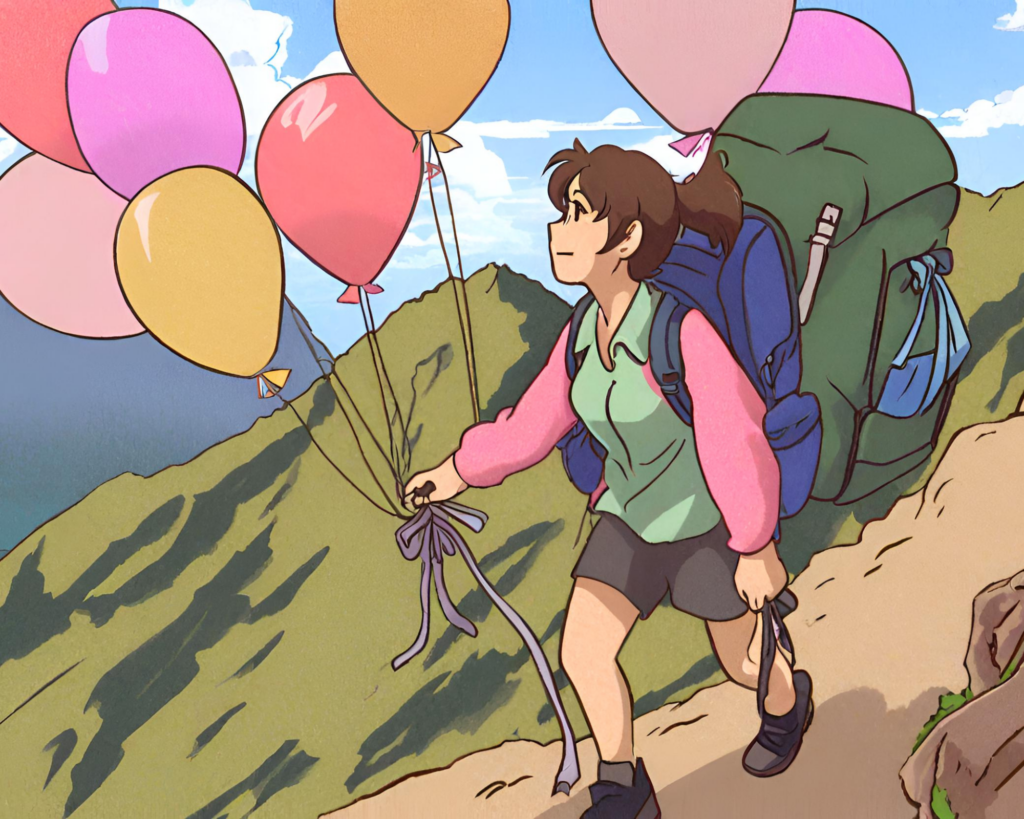
Ich verwende in meinen Begleitungen das Bild von Trauer als Rucksack, den wir ausgehändigt bekommen, und erst kaum schultern können, weil er zu schwer ist. Über Zeit werden wir stärker, wir finden Menschen, die beim Tragen helfen, und wir packen den Rucksack um, dass wir ihn besser tragen können.
Wenn das gelingt, kann in der Trauer plötzlich eine neue Facette hervorscheinen: Verbindung zum verstorbenen Menschen.
Trauer wandelt sich zur Verbindung
Trauer endet nicht einfach. Sie geht auf und ab wie Wellen (statt Phasen), und mit der Zeit werden die Wellen bei vielen Trauernden an den meisten Tagen sanfter.
Auch die Themen, die Trauernde beschäftigen, verändern sich und damit die Form, in der sich Trauer zeigt. Statt von Gefühlen überrollt zu werden, ist es plötzlich möglich, sich bewusst Zeit für das An-Denken zu nehmen. Und ja, die meisten Trauernden finden eine Form von Glücklich.
Ist die Trauer damit vorbei? Vielleicht.
Vor allem ist eine neue Verbindung da, zum Verstorbenen und nicht selten auch zum Leben.
 EN
EN  DE
DE